.webp)
Cops, home guards will get extra 10-days holiday for extended Puja duty: Govt
.gif)

Download Mobile App 






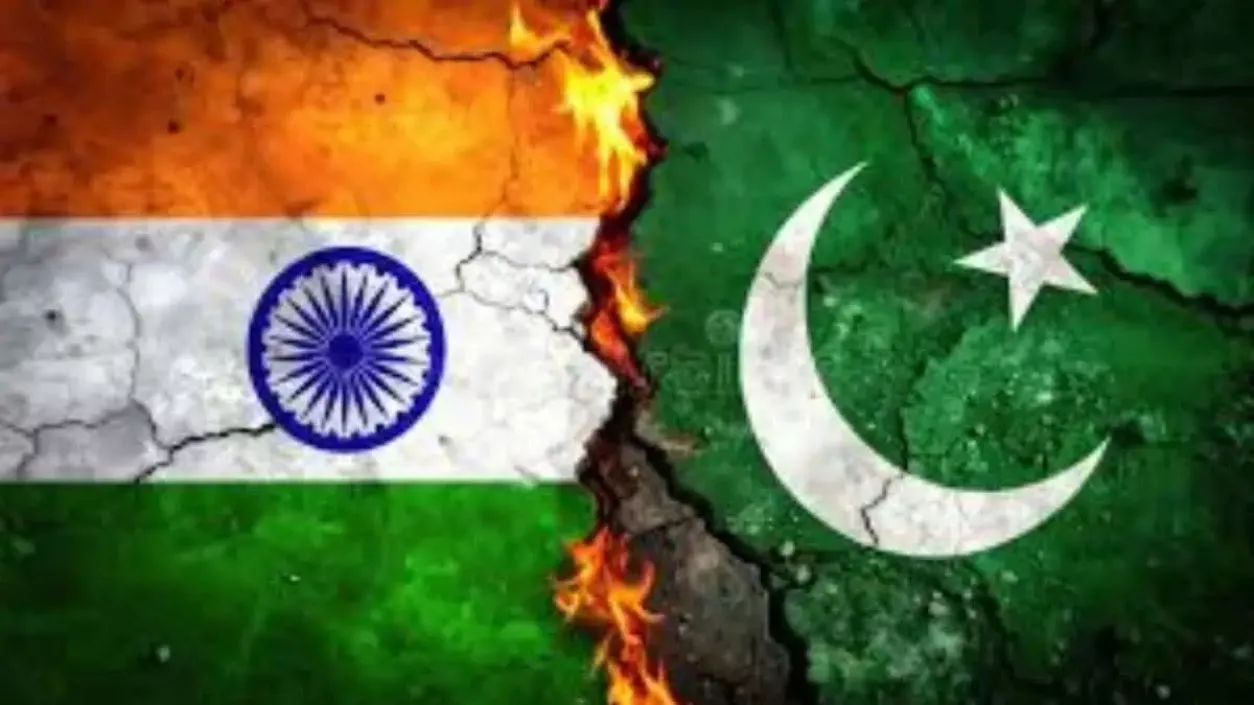
India has widened its estimated nuclear lead over Pakistan, possessing approximately 190 nuclear warheads as of January 2026 compared with Pakistan's estimated 170 warheads, according to the Stockholm International Peace Research Institute's Yearbook 2026. The report states that both countries continued to modernize and strengthen their nuclear forces during 2025, while global nuclear risks increased and arms-control mechanisms weakened. SIPRI estimates that India's arsenal expanded slightly from previous assessments, giving it an estimated lead of about 20 warheads over Pakistan.
According to the report, India continued developing new types of nuclear delivery systems and further modernized its nuclear capabilities during 2025. SIPRI noted that India's modernization efforts are increasingly focused on longer-range capabilities capable of reaching targets across China while also addressing its longstanding strategic competition with Pakistan. The report stated that India is believed to have expanded its nuclear arsenal slightly during the year.
Pakistan also continued efforts to develop new delivery systems and accumulate fissile material, according to SIPRI. The institute stated that these developments could support a larger Pakistani nuclear arsenal over the coming decade. The report noted that both countries maintained active modernization programs as part of broader changes occurring among nuclear-armed states worldwide.
SIPRI described the cross-border tensions between India and Pakistan in May 2025 as an unusually severe military crisis involving two nuclear-armed neighbors. According to the report, the brief confrontation included Indian strikes on Pakistani air and missile bases that were likely associated with nuclear-related functions. SIPRI stated that both countries ultimately took measures that prevented further escalation of the confrontation.
The report also highlighted the growing influence of emerging technologies on military competition in South Asia. According to SIPRI, nuclear modernization, long-range missile programs, armed drones, artificial intelligence-enabled systems, cyber capabilities, and other advanced technologies are increasingly shaping the regional strategic environment. The institute further noted that India and Pakistan incorporated cyber operations into active military conflict during the crisis.
Globally, SIPRI estimated the world's total nuclear inventory at 12,187 warheads as of January 2026. The report stated that all nine nuclear-armed states continued modernization programs and that most deployed new nuclear-capable systems during the year. SIPRI officials said that advances in weapons technology, the weakening of arms-control arrangements, reduced transparency, and rising geopolitical tensions are contributing to increased nuclear risks and expanding arsenals worldwide.









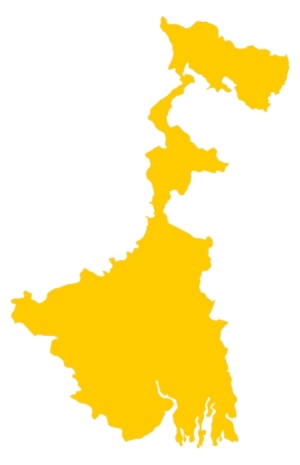 West Bengal
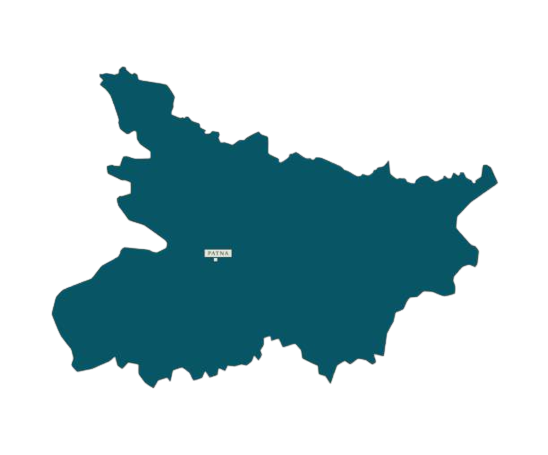 Bihar
Bihar Uttar Pradesh
 Jharkhand